This website uses cookies so that we can provide you with the best user experience possible. Cookie information is stored in your browser and performs functions such as recognising you when you return to our website and helping our team to understand which sections of the website you find most interesting and useful.
Search Products

April 20, 2026
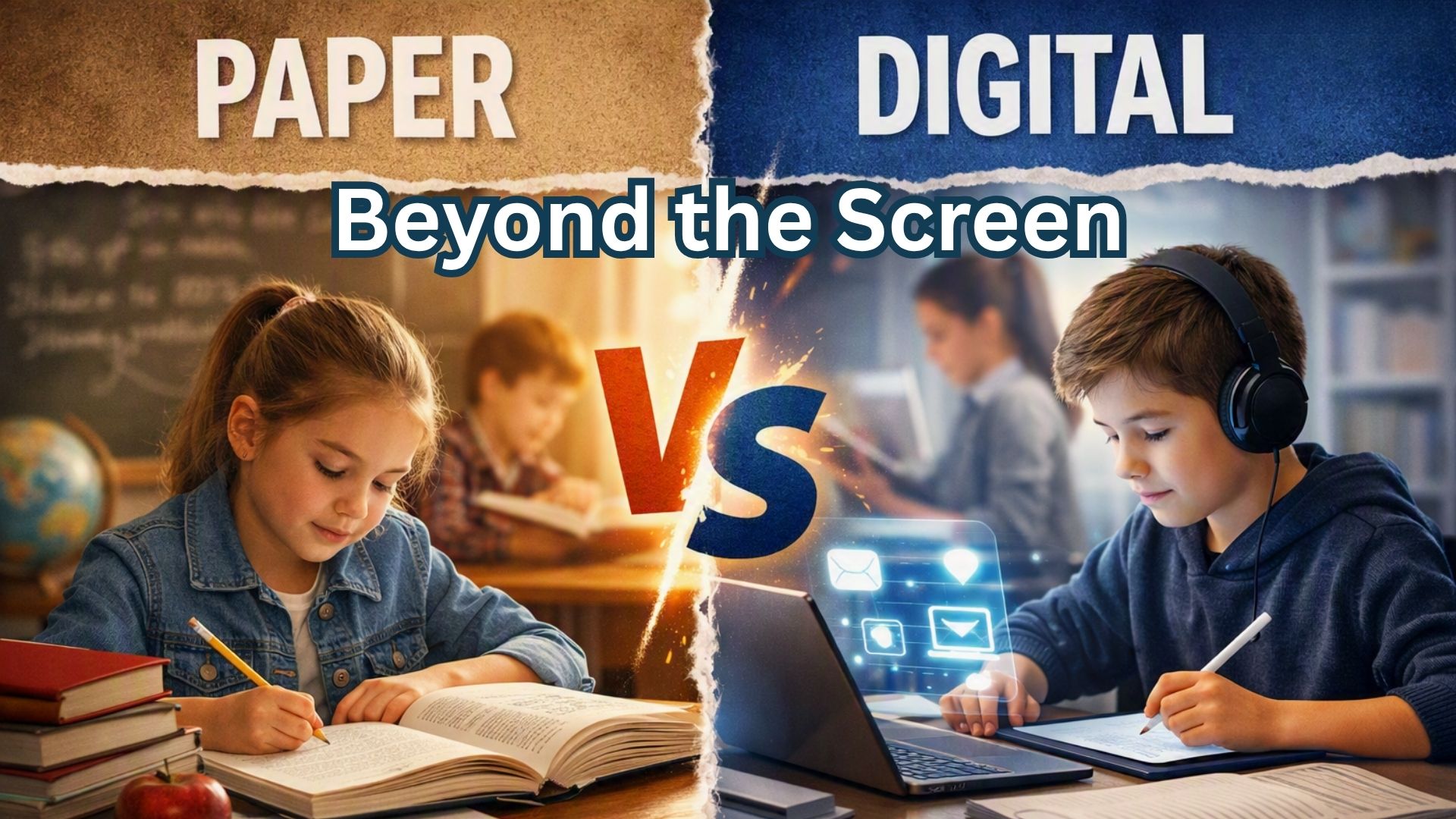
Digital vs Printed Name Cards: What Helps People Remember You After the Meeting
Share on



In today’s digital world, professionals have more ways than ever to exchange contact information. From QR codes to NFC taps, digital name cards offer convenience and speed. But when it comes to making a meaningful connection that sticks with someone after the meeting, printed name cards still hold a unique advantage in many real-world business interactions.
Let’s look at how these two approaches differ, and why printed name cards continue to play a meaningful role in professional networking.
The Digital Surge in Networking Tools
Digital name cards have seen rapid adoption in recent years. According to industry data1, the digital business card market has been growing steadily, with usage among businesses rising from around 16% before the pandemic to about 37% by 2024. These tools are especially popular in tech-focused sectors and among younger professionals who prioritise convenience and contactless sharing.
Digital cards can be shared instantly with a tap or scan, integrated with CRM systems, and updated in real time without reprinting. This makes them a practical choice for quick exchanges and presentation-based interactions.
The Tangibility Advantage: Why Printed Cards Still Matter
Despite the rise of digital alternatives, printed business cards continue to deliver value in face-to-face interactions:
1. Reducing Distraction in Conversations
One of the overlooked benefits of printed cards is that they help keep attention where it should be: on the person, not the phone. When networking, pulling out a smartphone to exchange digital details can interrupt the flow of conversation. Checking devices can create a brief but noticeable distraction, making the interaction feel less personal.
A printed card, on the other hand, can be handed over seamlessly during the exchange, allowing both parties to stay fully present and engaged in the moment. This uninterrupted interaction strengthens the personal connection—and people are more likely to remember the person they met, rather than just the contact information stored in a device.
2. Better Memory Retention After the Meeting
Humans form stronger memories when an experience engages multiple senses. Touching, holding and visually inspecting a printed card reinforces the interaction in the brain, making it easier to recall the person and context later.
This tactile experience isn’t just nostalgia—it’s neuroscience at work. A card sitting on a desk or in a wallet is a constant visual cue that subtly reinforces the memory of the person and the conversation long after the meeting ends.
3. Printed Cards and Professional Perception
Printed cards also carry intangible but real value in professional settings. A high-quality business card conveys preparation, respect and attention to detail, qualities that many clients and partners associate with professionalism. In formal industries and cultures such as corporate finance, consulting or traditional Asian business contexts, handing over a well-designed printed card can elevate the perceived credibility of both the giver and their organisation.
4. Consistency Across Different Situations
Printed name cards offer consistency in a wide range of business settings. While digital name cards work well in many situations, they may rely on device availability and connectivity. Factors such as low battery levels, limited mobile reception, or unavailable Wi-Fi can occasionally affect the exchange.
Printed cards provide a simple alternative in these moments. They allow contact details to be shared smoothly and without interruption, helping conversations flow naturally in meetings, events, and on-site discussions.
So Which Should You Use?
It doesn’t have to be either/or. The most effective professionals tend to embrace hybrid networking:
- Printed cards for formal meetings, industry conferences, networking events and face-to-face introductions.
- Digital cards for quick exchanges and remote presentations.
This combination allows you to leverage both worlds: the memorable impression of a physical card and the efficiency of digital sharing.
Another approach is the hybrid name card, where a QR code is printed directly on your physical card alongside your key details. This allows your card to maintain a tangible, lasting first impression, while also offering instant access to your contact information, portfolio, or digital profiles through a simple scan.
If you’re considering printed name cards or other business materials and want guidance on paper selection, OVOL Singapore is here to help. Contact our team to explore paper options that align with your brand, application and business needs.
Source:
- https://www.digitalbusinesscard.com/blog/digital-business-card-statistics
Featured Articles