This website uses cookies so that we can provide you with the best user experience possible. Cookie information is stored in your browser and performs functions such as recognising you when you return to our website and helping our team to understand which sections of the website you find most interesting and useful.
Search Products

January 20, 2026
What Is Paper GSM? Understanding Paper Weight and Thickness
Share on


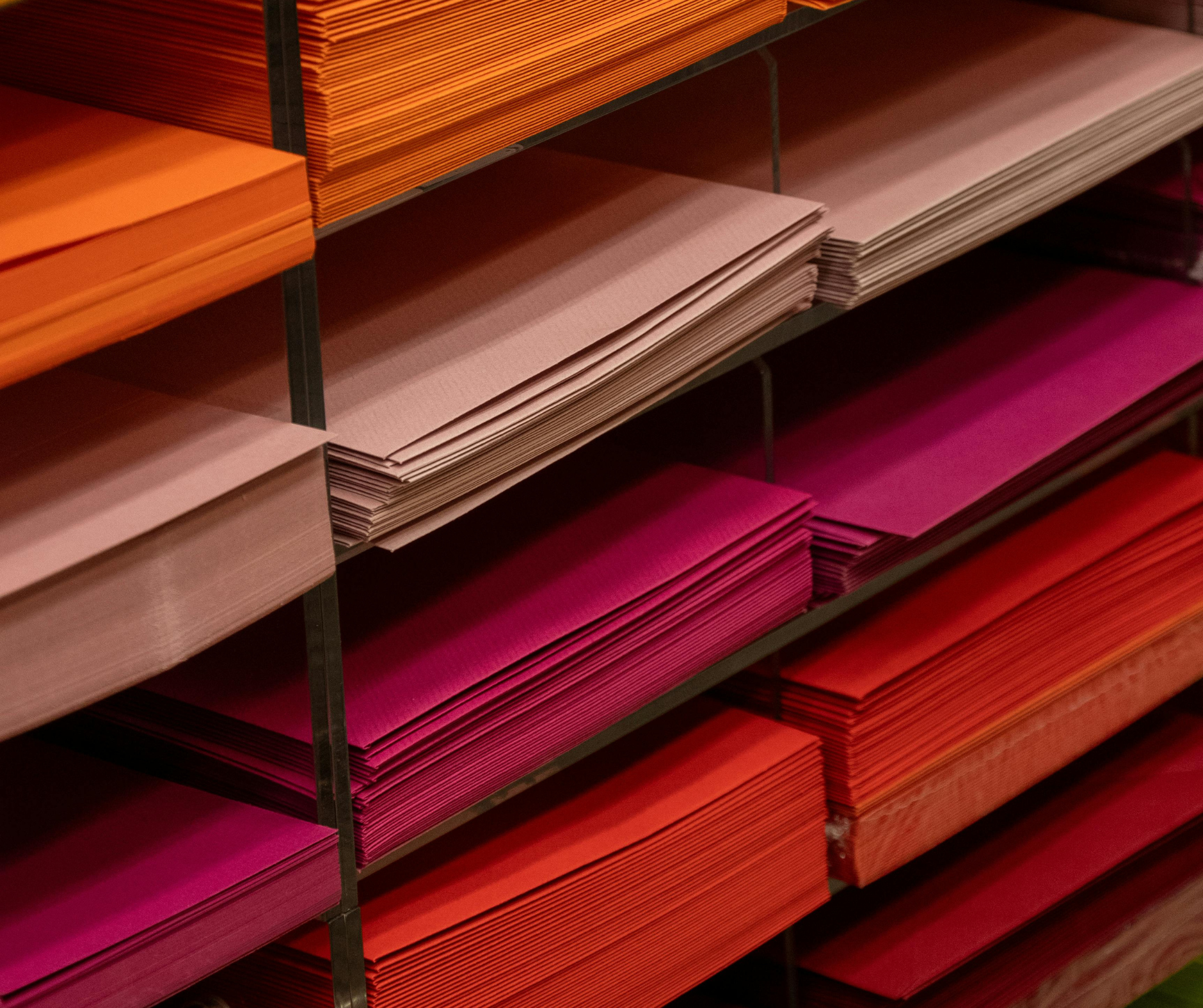
If you’ve ever browsed through paper catalogues, compared different print samples, or tried to choose the right material for a project, you’ve probably come across terms like GSM, paper weight, or paper thickness.
They sound technical — but once you understand the basics, choosing the right paper becomes much easier (and more enjoyable).
At OVOL Singapore, customers often ask:
“What’s the difference between 80gsm, 150gsm, 300gsm… and why does it matter?”
Let’s break it down in the simplest way possible.
What Is GSM?
GSM = Grams per Square Metre
It measures how much a sheet of paper weighs per square metre (1m × 1m).
A simple rule of thumb:
-
Lower GSM = thinner, lighter paper
-
Higher GSM = thicker, heavier, more premium-feeling paper
Common GSM examples:
-
70–90gsm: Copier paper, everyday printing
-
100–140gsm: Letterheads, brochures, flyers
-
150–250gsm: Premium covers, postcards, menus
-
250–400gsm: Packaging, business cards, display cards
What About Paper Thickness?
Paper thickness is often measured in microns (µm) or millimetres (mm).
While GSM tells you the weight, thickness tells you how stiff or bulky the paper feels. For example, two papers can have the same GSM but different thickness.
Some premium papers (like Venus Wove) have higher bulk — meaning they feel thicker even at the same GSM compared with other papers.
Why thickness matters:
-
A thicker paper feels more premium
-
Better for items that need rigidity (e.g. tags, covers, name cards)
-
Important for machine compatibility in digital printing
How to Choose the Right GSM for Your Project
Here’s a quick guide tailored to real print applications:
-
Everyday Office Use: 80gsm–100gsm
Great for: photocopying, invoices, forms -
Marketing Collaterals: 120gsm–170gsm
Great for: brochures, premium letterheads, brand materials -
Cards & Covers: 200gsm–300gsm
Great for: booklet covers, certificates, invitations, menus -
Packaging & Durable Prints: 250gsm–400gsm
Great for: tags, product packaging, display cards, name cards
Why Paper Choice Matters
1. It Sets the Tone for Your Brand Experience
Paper is often the first thing your customer touches — and that tactile experience shapes how they perceive your brand.
-
Lighter papers feel economical and functional
-
Heavier papers feel premium, substantial, and trustworthy
This is why items like menus, invitations, and corporate brochures typically use 200gsm and above.
2. It Influences Durability and Lifespan
Not all print materials are treated equally. Higher GSM or higher-bulk papers are more resistant to:
-
Wear and tear
-
Creasing
-
Curling
-
Frequent handling
If your print needs to last — such as menus, tags, or packaging — choosing a stronger GSM makes a noticeable difference.
3. It Helps Optimise Costs Without Compromising Quality
Savvy print buyers know that GSM affects pricing — but not always in a linear way. Sometimes, a slightly higher GSM can deliver a more premium feel without dramatically increasing costs.
Need Help Selecting the Right Paper?
Whether you’re choosing between uncoated, coated, premium textured papers, or sustainable alternatives like myRecyco or Green Forest Offset, contact our team to help you find the perfect match for your print goals.
Featured Articles