


In today’s digitally dominated world, where information is often consumed in a fleeting manner, the power of print is sometimes overlooked. Yet, print materials continue to hold a unique place in our hearts and minds, inspiring a sense of trust and credibility that digital media often struggles to match. But why is this the case? What is it about print that evokes such feelings of trust and reliability?
- Tangible Presence: In an era where virtual interactions dominate, there’s something undeniably reassuring about holding a physical piece of print in your hands. For instance, why are all the important messages and agreements (e.g. certificates and business contracts) put on paper? This is because people are generally comfortable with information only when they can “feel it” in their hands and can make sure whether the important information is recorded properly1.
- Perceived Credibility: Thoughtfully printed materials are often perceived as more credible than their digital counterparts. This perception stems from the effort and investment required to produce printed materials. As a result, individuals are more inclined to digest and trust information presented in print, viewing it as more reliable.
- Reduced Distractions: One of the key advantages of print media is its ability to minimize distractions and facilitate deeper engagement with the content at hand. This uninterrupted engagement allows readers to fully immerse themselves in the content, leading to greater comprehension and retention of information, thereby more likely to reinforce trust in the message being communicated.
- Longevity: JICMAIL data shows 56% of mailed marketing materials will remain in the home 28 days after delivery2. Its physical presence in the home makes it more likely to be read and re-read, as well as seen by other household members.
- Sense of Permanence: Unlike digital content, which can be easily altered or deleted with the click of a button, print materials possess a sense of permanence that lends them an air of authenticity and reliability. Once ink is pressed onto paper, it becomes a tangible artifact, serving as a physical record of information or ideas. This sense of permanence instils confidence in the longevity of the message, reassuring readers that the information presented will remain unchanged and accessible for years to come.
By leveraging these psychological benefits, businesses and organizations can harness the power of print to establish stronger connections with their audience and convey information in a manner that resonates deeply with their target demographic.
If you’re in search of printing materials for your projects, your search ends here. OVOL Singapore provides a wide range of printing substances, a few to mention including eco-friendly papers, stickers, vehicle wraps, foam boards and PVC boards for your next events and exhibitions. We offer diverse selections of options to cater to your specific needs, ensuring you find the perfect solution for your project. Chat with our team for free consultation!
#paperstillmatters #prinsinspirestrust #smallstepsbigimpacts

 In an era dominated by keyboards and touchscreens, the act of writing by hand might seem like a relic of the past. Yet, research suggests that picking up a pen and putting it to paper offers more than just a nostalgic throwback – it may actually provide significant cognitive advantages, particularly in the subject of memory and comprehension1.

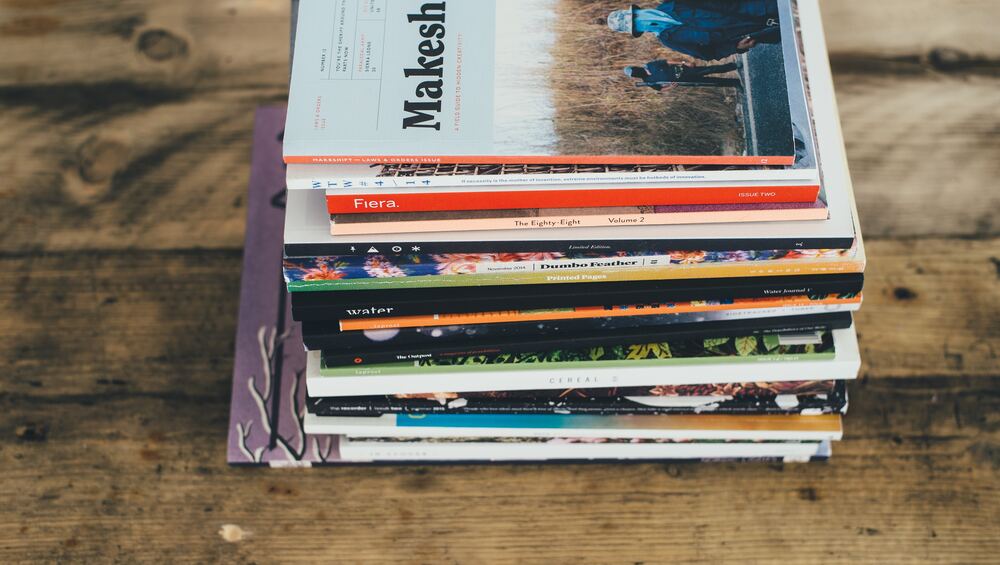



 In our rapidly advancing digital age, where information is created and shared swiftly, it’s easy to overlook the enduring charm and reliability of papers. In this blog, we will explore the timeless quality of papers and how they serve as a reliable time capsule, preserving important moments and information for generations to come.